

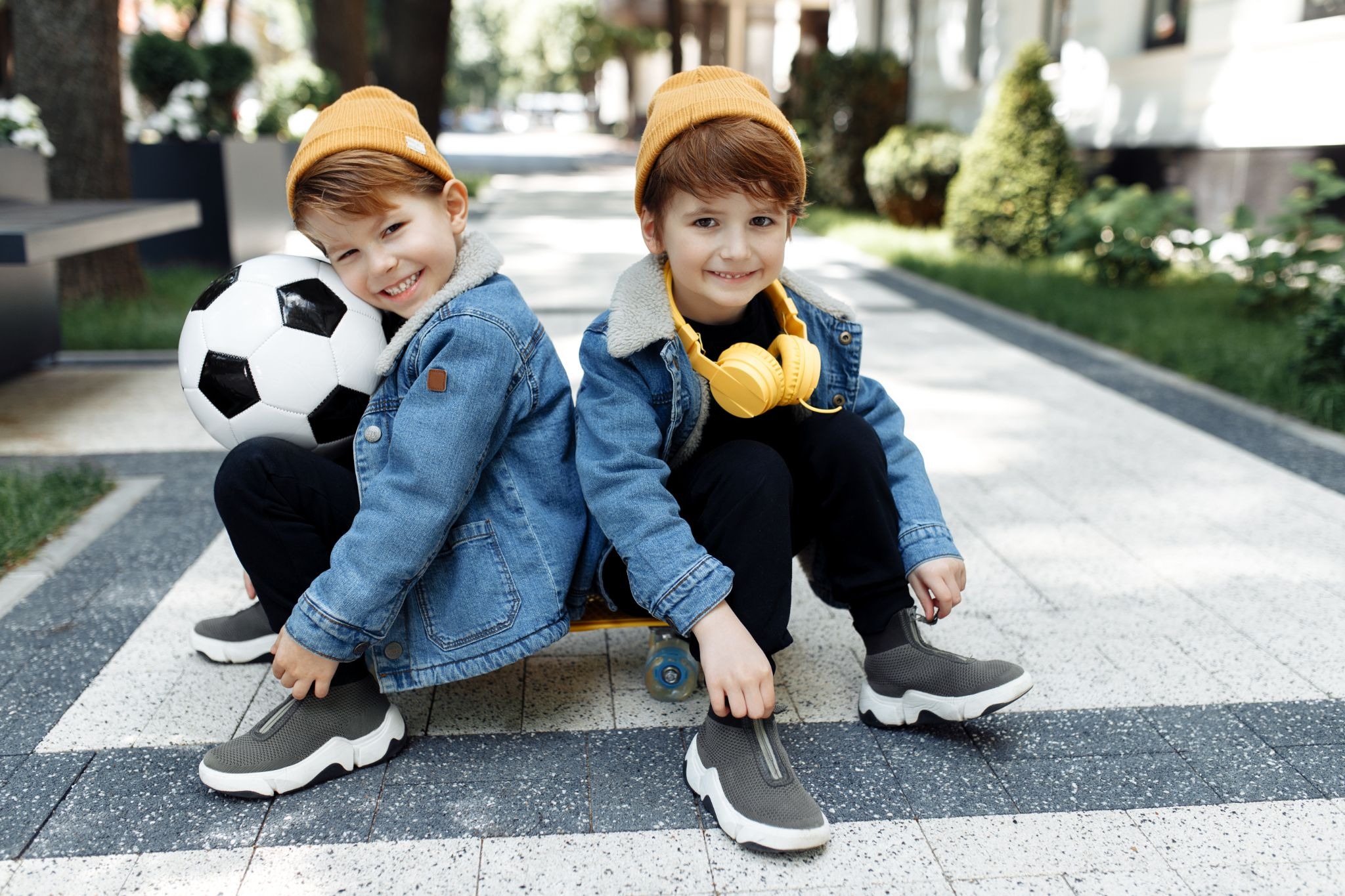
Childhood fashion is seldom delicate and this is just why it is so good.
The New Rules of Kids Style 2025 Edition
Kids’ fashion has changed. Parents are more considerate in their spending, children are more critical at an earlier age and everyday life requires clothes that can withstand playgrounds, classes and automobiles. The new rules are simple:
Rule 1: Rule Comfort is not a luxury
When it pinches, then it is not being worn. Breathable materials, flexible fittings, soft waistbands, and breathable materials are important.
Rule 2: The outfit has to move
A great look is the one that a child can run in, sit cross-legged in, climb in, and spill the juice on without making it dramatic.
Rule 3: The style skill is playfulness
Creativity may be manifested in bold colors, quirky prints and combining the wrongs on purpose, to name a few, which are worth nurturing.
Rule 4: Parents select; Children choose
The middle ground acts as providing controlled freedom to the kids you decide what to include and they decide on the end product.
Once you follow these rules, it will be easier to create playful kids’ looks, and it will turn out to be more enjoyable.
Quick Style Personality Check
Rather than following the trends, begin with the personality of style of your child. The majority of children are inclined to one of them, and occasionally to both:
The Color-Lover
They desire bright against bright, red and teal, purple and neon green.
Most sensible solution: provide them with an empty canvas (jeans, dark-colored leggings) and allow them to paint anything on it.
The Character Loyalist
They wear whatever is the craze of the moment: dinosaurs, astronauts, ballet, superheroes.
Best solution: construct outfits in one character piece, and then make the rest simple.
The Mini Minimalist
Their tastes lean towards muted colors, textiles and absence of scratchy labels.
Most suitable option: tonal clothes (navy and sky blue, cream and tan) and one fun element.
The Pattern Mixer
Stripes with polka dots? Absolutely.
Best technique: the match patterns with the help of a common color, and anchor-match with a solid piece.
Being aware of this will assist you to make playful kids appear natural, rather than unnatural.
The Easiest Way to Nail Playful: The One Hero Piece Method
To get outfits which look deliberate but remain kid-like, apply the following trick:
Select one hero item which bears the personality:
Graphic sweatshirt
Sparkly skirt
Bright overalls
Printed leggings
Statement sneakers
A fun jacket
The rest of the outfit is constructed using the basics that support it (solid tees, denim, a simple jogger). It brings about equilibrium: not anarchic play.
It is also the most photo friendly method of doing cute kid appearances. One of the points of focus is to read something in photographs and make something special in real life.
Outfit Stories: 7 Punky Looks That Work
These are not a strict set of looks in a book but rather a mini story which you can use in the wardrobe of your child.
1) The Playground Uniform That Doesn’t Appeal Sloppish
A graphic tee with a soft fabric + joggers and a bright-colored zip hoodie.
Add: bright socks or sneakers.
Why it is effective: it is flexible and can be washed, but because of the color pop, it makes it feel like it is a design. It is one of those childish looks of a play that parents adore since it does not presuppose costly pieces.
2) The Mix of Patterns: Mismatch Magic
Checks shorts (or skirt) with striped long-sleeve in the same color family.
Add: pair of solid sneakers to get it down.
Why it works: pattern mixing appears professional when a single color is repeated. Children assume that they made such a bold decision- and they have done.
3) Tiny Trendsetter Set
Pairing knit set (top + bottom) in one of the contemporary color options such as cobalt, sage or cherry.
Add: a bucket hat or headband.
The reason why it works: sets are quick, cozy and appear to have been put together in a jiffy. The lightheartedness is provided by the color rather than the adult tricks of style.
4) The Paint Handling Outfit in the Art Class
Tee (oversized) + leggings/shorts + a smock-style apron/overbutton down as a top.
Add: sneakers that you do not have to worry about.
Reason behind such effectiveness: there should be playful kids’ looks, which will survive creativity. This outfit speaks of what makes a mess.
5) The Party Glow That Doesn’t Seal the Deal
In case of children who cannot stand hard clothes: soft dress or skirt + stretchy cardigan or chinos + jersey blazer.
Added: fun accessory (shiny clips, bow tie, colorful belt).
Why it works: you feel the occasion, but not stitchy material or limited movements.
6) The Weather-Proof Fun Layer
Raincoat in print + basic basewear (tee and jeans).
Add: in a bright solid, rain boots.
How to make it work: outerwear is a massive trend driver. An everyday coat is transformed into a statement with a playful coat.
7) The Confidence Builder
Black bottoms (wholesome or all gray) + one colorful accessory (beanie, backpack, sneakers).
Reason behind its success: there are kids who are interested in playfulness in small amounts. It is an easy, cool, smooth kind of playful children’s glances.
Playing With Colors: Simple Palette Strategy
The quickest method of making the outfits of kids cheerful is through color. However, an overabundance of colors would be aesthetically disorganized (and more difficult to match in the future). Try this:
Select two primary colors to use in the outfit (i.e. blue + yellow).
Add a small amount of one of the colors of the sparks (e.g. red socks).
That’s it. Three-color outfits are deliberate and not boring.
Fabric and Fit: The Secret Material of a Great Look
The most effective playful kids’ looks are the ones that kids will wear. Most of the work is carried out by fabric and construction.
What tends to win with kids
French terry and soft cotton jersey.
Stretch denim or jeggings
Flexible waistband Knit sets.
Layers that aren’t bulky
What tends to lose
Seams itchy, stiff necklines, tight elastic.
Everything that has to be constantly adjusted.
Unnecessarily fine clothing on an everyday basis.
A tip to keep in mind: based on the size of a garment, it can be worn longer, yet it does not imply loose fitting. Go high in the body, but not submerged into sleeves or dragging skirts.
Kids Accessories You Like and Parents Can Tolerate
Here is where the kids get to be the ones who are in charge of their fashion through accessories. Keep it simple and durable:
A bright beanie or cap
A patterned backpack
Hair clips/headbands, which are not pinchy.
A watch they can learn to use
Socks with personality
Such tiny objects can re-fresh playful children’s appearances even in case you are spinning the same base items.
The question is: How to create style but not make it a contest?
The reason is that people want to look good or seem presentable so that they do not get locked out of the group.
This is a stress-free strategy which can be applied in actual families:
She should make a Yes Zone in the wardrobe
Keep only those things that fit, are comfortable and match at least a few things. A child is free to choose when everything is wearable.
Give two rather than ten options of outfits
Children also experience decision fatigue. Two options bring freedom and an absence of disorder.
Let them “break” one rule
One day a week is the wrong sock day? A superhero cape to the store? Very frequently, such small freedom avoids larger struggles.
It is the way fun-loving children appear in a relationship victory, and not a day-to-day rivalry.
Critical Thinking
Prior to purchasing or designing the next series of outfits, enquire:
Does it work in the real life of kids?
Your child will never win it when it cannot move around or you are scared of washing it.
Is it possible to make at least three outfits?
When it works once it is not a wardrobe builder, particularly for growing children.
Will it favour the personality of my child–or combat it?
It is not about perfection but the aim is confidence. The outfit will be better than the trend because a child will feel like himself, and dress like him.
