
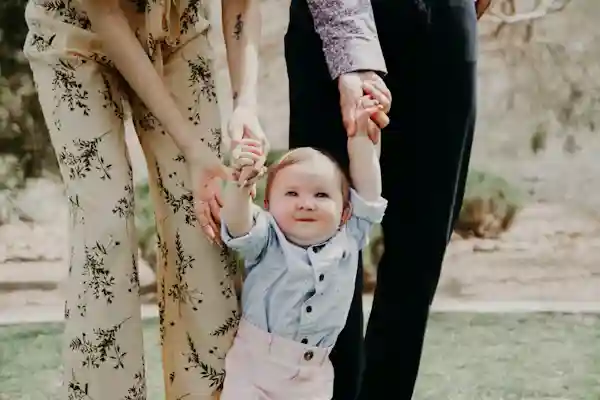
Selecting the right clothing for a child is an important decision for parents. Babies have delicate skin and rapidly changing needs, which means their clothing must be comfortable, breathable, and safe. Soft fabrics, thoughtful designs, and gentle materials all play a role in supporting a child’s comfort throughout the day.
Many parents are now exploring clothing made from bamboo-based fabrics because of the benefits these materials can provide. Understanding the advantages of these garments can help families make informed decisions when choosing clothing that supports their child’s well-being.
Gentle Materials for Sensitive Skin
One of the most important considerations when selecting baby clothing is the type of fabric used. Babies have sensitive skin that can easily become irritated by rough textures or harsh materials. Bamboo-based fabrics are often appreciated for their smooth and soft feel, which can reduce the likelihood of irritation.
Soft fabrics allow babies to move comfortably without friction against their skin. This is especially important during early development when infants spend much of their time sleeping or resting. Clothing that feels gentle against the skin can help keep children comfortable for longer periods throughout the day.
Comfortable Temperature Regulation
Temperature regulation is another important factor when choosing clothing for infants and toddlers. Babies can be more sensitive to temperature changes than adults, so clothing that helps maintain a balanced body temperature can make a noticeable difference in their comfort.
Bamboo fabrics are known for being breathable and moisture-wicking. These properties allow air to circulate through the material while helping draw moisture away from the skin. As a result, children may remain cooler during warmer conditions and more comfortable during cooler temperatures. Clothing that supports proper airflow helps prevent overheating and keeps babies feeling relaxed.
Helpful for Children With Sensitive Skin Conditions
Some children experience skin sensitivities or conditions that require extra care when selecting clothing. Fabrics that are smooth and breathable can be particularly helpful for children who are prone to skin irritation.
Natural fibers with gentle textures may reduce friction and allow the skin to breathe more easily. When clothing is designed to minimize irritation, children may experience greater comfort during daily activities and rest periods. Parents often find that soft and breathable fabrics are beneficial for maintaining a calm and comfortable environment for their child.
Flexible Designs That Support Movement
Babies grow and develop quickly, and their clothing must support constant movement. From rolling and crawling to taking early steps, children are always exploring their surroundings. Clothing, such as kyte baby clothes, are designed with flexibility allows them to move freely without restriction.
Stretchable fabrics and thoughtfully designed garments can adapt to a child’s movements throughout the day. Comfortable clothing that moves naturally with the body helps children remain active while preventing unnecessary discomfort. This flexibility also supports healthy physical development as children learn new motor skills.
Practical Features for Everyday Care
Parents often look for clothing that makes daily routines easier. Features such as simple closures, flexible fits, and easy-to-wear designs can make dressing and changing much more convenient. These practical elements help save time and reduce stress during busy routines.
Clothing designed with both comfort and practicality in mind supports the needs of both children and caregivers. When garments are easy to manage and maintain, they become more suitable for everyday use.
Environmentally Mindful Fabric Choices
Many families are also becoming more aware of the environmental impact of clothing materials. Bamboo is often considered a more sustainable resource because it grows quickly and typically requires fewer agricultural inputs than some traditional textile crops.
Choosing fabrics that are produced with environmental awareness can help support more responsible consumption. Parents who prioritize sustainability may appreciate clothing options that balance comfort for their children with mindful production practices.
Selecting clothing for young children involves careful consideration of comfort, safety, and practicality. Soft bamboo-based fabrics, breathable materials, flexible designs, and practical features all contribute to clothing that supports a child’s comfort and development. Thoughtful choices in materials and design can help create a positive and comfortable experience for children during their early years.